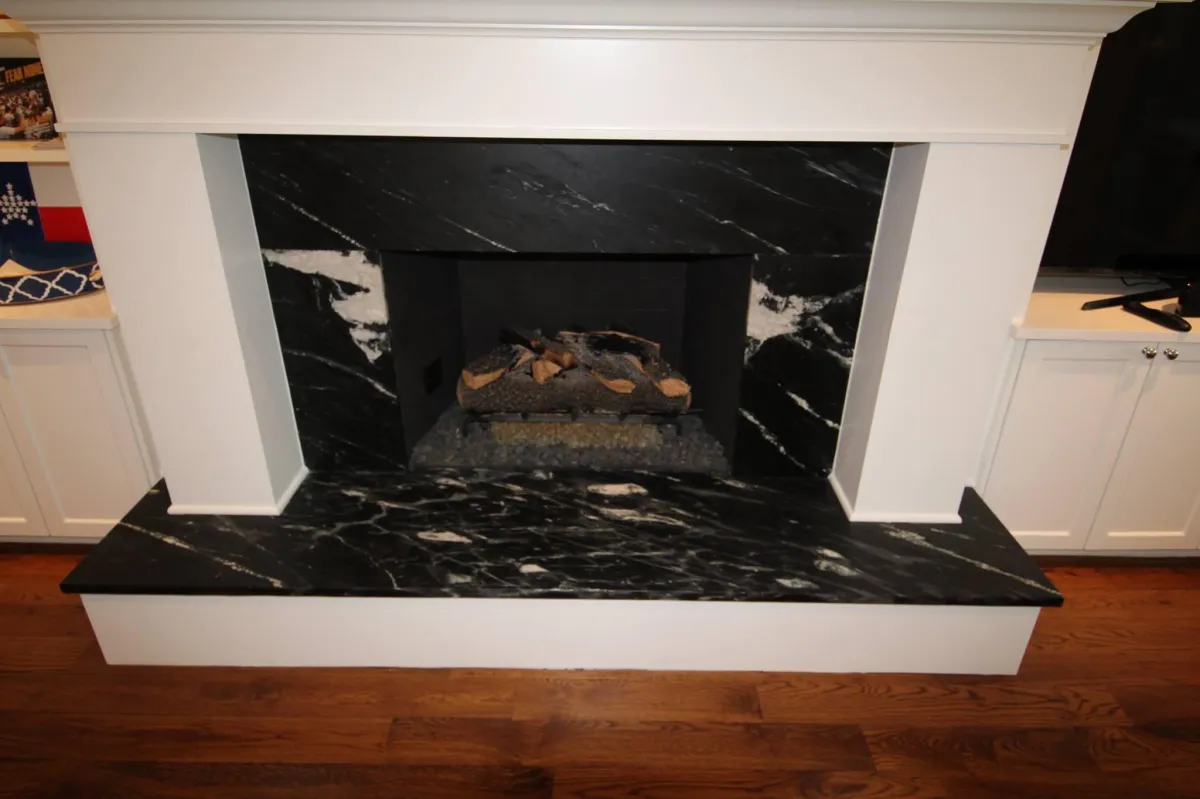
Granite Fabrication in Dallas: From Slab Selection to Installation Guide

Granite Fabrication in Dallas: From Slab Selection to Installation
Granite fabrication is where the difference between an average countertop and a truly refined, long-lasting surface is made. While many homeowners focus on the stone itself, the fabrication process determines how that stone performs, how it looks once installed, and how well it holds up over time. In Dallas, where kitchens and bathrooms are expected to balance design, durability, and daily use, professional granite fabrication is not optional—it’s foundational.
This guide walks through the full granite fabrication process, from slab selection to installation readiness, explaining what happens behind the scenes and why each step matters.
What Granite Fabrication Actually Involves
Granite fabrication is the off-site process of transforming raw stone slabs into custom-fitted countertops designed for a specific space. It includes measuring, cutting, shaping, edging, polishing, reinforcing, and preparing granite for installation.
Unlike installation, which happens in the home, fabrication takes place in a controlled shop environment. This allows fabricators to use specialized equipment, maintain precision, and ensure consistent quality before the stone ever reaches the job site.
For homeowners in Dallas, fabrication quality directly affects seam placement, edge durability, sink cutouts, and how well countertops integrate with cabinetry and appliances.
Why Fabrication Quality Matters More Than the Stone Itself
Even premium granite can fail if fabrication is rushed or inaccurate. Cracks near sink cutouts, uneven seams, poor edge profiles, and alignment issues almost always originate during fabrication—not installation.
Professional fabrication ensures:
• Structural integrity around cutouts
• Clean, consistent seams
• Smooth transitions at corners and edges
• Long-term durability under daily use
In competitive markets like Dallas, high-quality fabrication is what separates countertops that age gracefully from those that require repairs or replacement.
Granite Slab Selection and Visual Planning
Fabrication begins long before any cutting occurs. Once granite slabs are selected, fabricators evaluate each slab for:
• Natural fissures or weak points
• Color consistency
• Vein movement and pattern flow
• Thickness accuracy
Slab layout planning determines how the stone will be positioned on each countertop section. This step is critical for:
• Minimizing seams
• Aligning veining across surfaces
• Avoiding visual breaks in high-visibility areas like islands
Proper planning ensures the final installation looks intentional, not pieced together.

Digital Templating for Precision Measurements
Modern granite fabrication relies on digital templating rather than manual measurements. After cabinets are fully installed, technicians use laser or camera-based systems to capture exact dimensions of the space.
Digital templating records:
• Cabinet layout
• Appliance openings
• Sink and cooktop locations
• Wall angles and irregularities
This data creates a precise digital model that guides every cut, reducing errors and eliminating guesswork.
Cutting Granite Slabs with Specialized Equipment
Once templates are finalized, granite slabs are cut using water-cooled CNC saws or bridge saws. Water cooling is essential—it prevents overheating, reduces dust, and protects the stone’s structural integrity.
During cutting, fabricators account for:
• Stress points in the stone
• Seam reinforcement locations
• Overhang requirements
• Edge profile allowances
Precision at this stage ensures that countertops fit perfectly during installation without on-site modifications that compromise quality.
Sink, Cooktop, and Appliance Cutouts
Cutouts are one of the most critical stages of granite fabrication. Areas around sinks and cooktops are vulnerable to stress and cracking if not properly reinforced.
Professional fabricators:
• Smooth and polish cutout edges
• Reinforce weak areas with rods or support systems
• Ensure proper clearances for appliances
Under-mount sinks, in particular, require careful fabrication to support weight and prevent long-term failure.
Edge Profiles and Custom Detailing
Edge profiles influence both the appearance and functionality of granite countertops. Common profiles include eased, beveled, bullnose, and ogee edges.
From a fabrication perspective:
• Simple edges prioritize durability and ease of maintenance
• Decorative edges require additional shaping and polishing
• Edge thickness must remain consistent across seams
Choosing the right edge profile balances style, safety, and longevity.
Polishing and Surface Finishing
Polishing brings out the natural depth and color of granite while increasing stain resistance. Fabricators use progressive polishing stages, gradually refining the surface to achieve a smooth, durable finish.
Surface finishes may include:
• Polished (glossy and reflective)
• Honed (matte and understated)
• Leathered (textured and tactile)
The finish affects how light interacts with the stone and how the surface performs in daily use.
Quality Control and Dry Fitting
Before granite leaves the fabrication shop, pieces are dry-fit and inspected. This step verifies:
• Seam alignment
• Edge consistency
• Overall dimensions
• Structural integrity
Any adjustments are made in the shop, not on-site. This prevents installation delays and ensures a smooth, efficient install day.
Preparing Granite for Installation
Once fabrication is complete, granite pieces are carefully prepared for transport. Proper handling and bracing prevent vibration damage and micro-fractures during delivery.
When fabrication is done correctly, installation becomes a controlled, predictable process rather than a troubleshooting exercise.
Why Local Granite Fabrication in Dallas Matters
Working with a local granite fabrication shop offers advantages that remote or outsourced fabrication cannot match:
• Faster turnaround times
• Direct communication with fabricators
• Familiarity with Dallas construction standards
• Accountability from start to finish
Local fabrication also allows for quicker adjustments if changes are needed.