Functional Kitchen Work Triangle with Stone Surfaces | Dallas Granite Installers
Function and Form Must Work Together
A kitchen that looks exceptional but functions poorly is a disappointment that becomes apparent in daily use. Stone surfaces, when placed with attention to kitchen workflow rather than purely aesthetic considerations, reinforce the functionality of the kitchen as directly as they reinforce its visual character. The kitchen work triangle is the most widely used framework for evaluating kitchen layout functionality. It describes the relationship between the three primary activity zones of a kitchen: the sink, the cooking surface, and the refrigerator. The efficiency of a kitchen is significantly determined by how these three points are positioned in relation to each other and how the countertop surfaces that connect them support movement and activity between them.
Understanding the Work Triangle
The work triangle concept establishes that the most efficient kitchen layout positions the sink, cooking surface, and refrigerator at the three points of an imaginary triangle. Research by the National Kitchen and Bath Association established that the combined length of all three legs of the work triangle should fall between 13 and 26 feet, with no single leg shorter than 4 feet or longer than 9 feet. These guidelines reflect the practical reality of how kitchen work is performed. A cook moves repeatedly between the sink, the cooking surface, and the refrigerator during meal preparation. A triangle that is too tight creates congestion and limits the counter surface available within the work zone. A triangle that is too large creates unnecessary travel and fatigue during active cooking.
Stone Countertop Placement Within the Work Triangle
The countertop surfaces that connect the three points of the work triangle are the functional workspace of the kitchen. A continuous countertop run that connects the sink zone to the cooking zone provides a functional surface for food preparation that bridges the two primary activities. In planning a Dallas kitchen layout, the stone surfaces should be distributed to maximize continuous counter space within the work triangle.
A continuous countertop run on at least one side of the kitchen that spans from the refrigerator zone to the sink zone
A landing surface adjacent to the cooking appliance on both sides where possible, providing placement space for cookware coming off the heat
A preparation zone of at least 36 to 48 continuous inches within the triangle for active food preparation
An island positioned to supplement rather than interrupt the work triangle, providing additional preparation surface accessible from within the cooking zone
The Island's Role in the Work Triangle
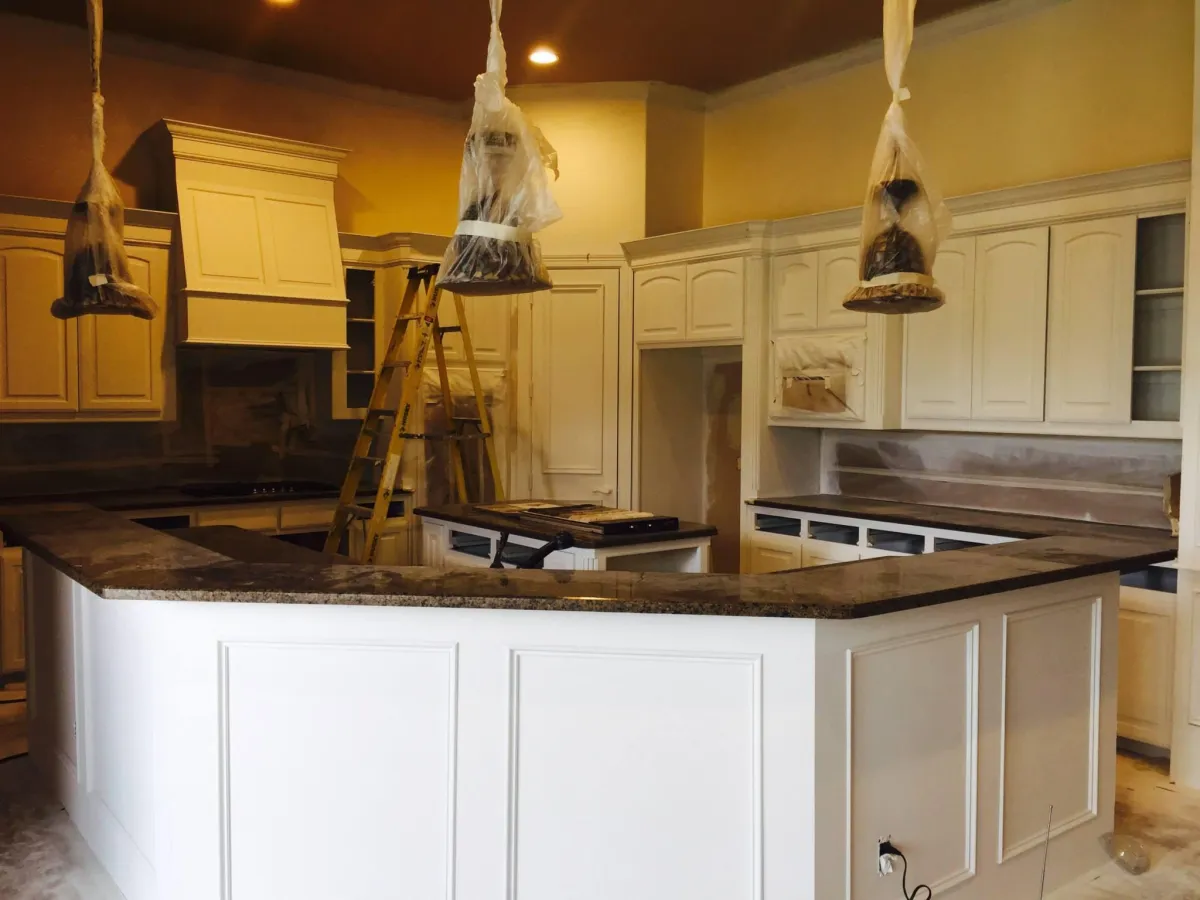
The kitchen island occupies a central position in the work triangle of most contemporary Dallas kitchens and can function either as an asset or as an obstacle within the workflow depending on how it is positioned and what functional elements are integrated into it. An island that includes a prep sink and a substantial countertop work surface can serve as the primary preparation zone of the work triangle, reducing the travel distance between the sink and the countertop and concentrating the most active phase of meal preparation at a single, centrally located surface.
Work Triangle Configuration Options for Dallas Kitchens
Stone Surface Continuity and Workflow
The continuity of stone surfaces within the work triangle affects workflow in a practical and measurable way. A seamless countertop run, without interruptions from gaps between countertop sections, allows food, cookware, and implements to slide from one position to another within the preparation zone without lifting. In planning the stone layout for a Dallas kitchen, the fabrication team should be consulted about how to achieve maximum countertop continuity within the work zone. Explore our stone fabrication services to understand how continuity is managed in complex kitchen layouts.
Sink Placement and Stone Integration
The sink is the fixed point within the work triangle that most directly affects how the adjacent countertop surfaces are planned. In Dallas luxury kitchens, the primary sink is almost universally an undermount installation in the perimeter countertop or in the island. Professional guidance on sink placement recommends a minimum of 18 inches of countertop surface on one side of the sink and 24 inches on the other to provide adequate space for both the dirty staging and clean draining sides of the dishwashing and food preparation workflow.
Bringing Function and Stone Together
The most successful kitchen stone installations in the Dallas market are those where the stone placement decisions were made with functional workflow in mind from the earliest planning stage. Dallas Granite Installers works with homeowners throughout the Dallas-Fort Worth metro area on kitchen layout planning that integrates stone surface placement with functional workflow. Call (214) 624-0111. Learn about our countertop installation process. Explore kitchen design standards at the Natural Stone Institute. View functional kitchen design references at Architectural Digest. Explore stone surface options at Cambria.